ADA Considerations for Commercial Concrete Walks and Steps
People searching for ADA concrete walks and steps installation are typically looking to ensure accessibility compliance, and local contractors can help by designing and building ADA-friendly solutions.
Property owners exploring ADA considerations for commercial concrete walks and steps are in the right place. Ensuring accessible pathways is a practical priority for many businesses and organizations aiming to meet legal requirements and improve safety for all visitors. Properly designed and maintained concrete walks and steps can help prevent accidents, reduce liability, and create a welcoming environment for individuals with mobility challenges. Local contractors experienced in ADA-compliant installations can provide the expertise needed to assess existing structures or plan new projects that align with accessibility standards.
Continuing to read can provide valuable insights into how ADA considerations influence the design and construction of commercial concrete walks and steps. Whether upgrading existing features or installing new ones, understanding the key factors involved can help property owners make informed decisions. Skilled service providers in the area are prepared to handle these projects, ensuring that concrete pathways are not only functional but also compliant with accessibility guidelines. This knowledge can support property owners in creating safe, inclusive spaces that serve everyone effectively.
- ADA-compliant walkways - When designing new commercial properties or renovating existing ones, local contractors can install ADA-compliant concrete walks that ensure accessibility for all visitors.
- Accessible steps and ramps - Businesses aiming to meet ADA standards for entryways often seek local pros to install or modify steps and ramps that accommodate mobility devices.
- Curb cuts and transitions - For properties requiring smooth transitions between different surfaces, local service providers can incorporate curb cuts and accessible transitions in concrete steps.
- Rehabilitation of existing concrete - When older walks and steps no longer meet ADA guidelines, local contractors can retrofit or rebuild sections to improve accessibility.
- Slope and surface adjustments - To ensure compliance with ADA considerations, local pros can modify slopes and surface textures on concrete walks and steps for safer, accessible use.
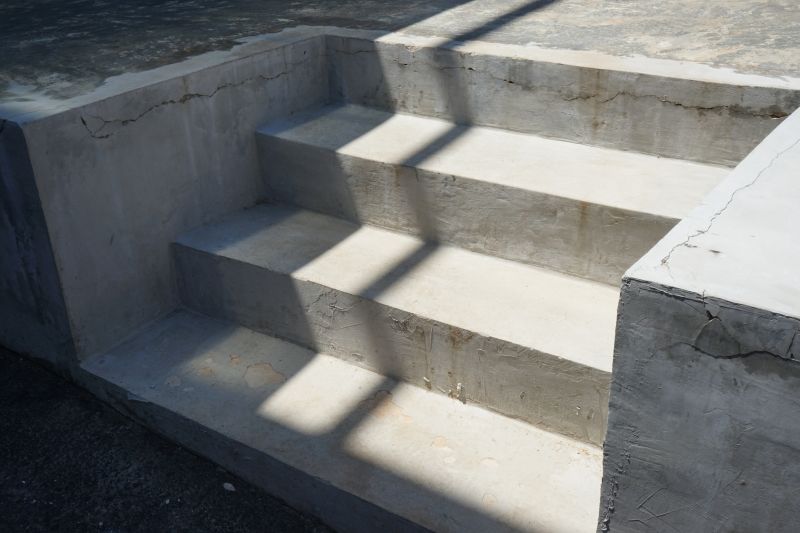

When people search for ADA considerations for commercial concrete walks and steps, they are typically looking for guidance on how to ensure outdoor pathways meet accessibility standards. These standards are important for making sure that individuals with mobility challenges can safely and independently access buildings, businesses, or public spaces. Property owners, managers, and developers often seek information about the specific design features, dimensions, and materials needed to comply with ADA requirements. Understanding these considerations helps prevent potential legal issues and creates a welcoming environment for all visitors.
This topic relates closely to projects involving the installation or renovation of walkways and steps on commercial properties such as retail stores, office buildings, healthcare facilities, and public venues. Problems often arise when existing concrete pathways are uneven, too steep, or lack proper ramps and handrails. Plans may include adding or modifying concrete walks and steps to include features like curb ramps, tactile warning surfaces, and appropriate slopes. Addressing these issues requires careful planning and execution to meet ADA guidelines, which focus on safety, usability, and accessibility for everyone.
Properties that frequently come up in discussions about ADA considerations for concrete walks and steps are usually commercial in nature. These include storefronts, parking lots, community centers, government buildings, and transportation hubs. Such properties often have high foot traffic and must accommodate a diverse range of visitors, including those with disabilities. Local service providers specializing in ADA-compliant concrete work can help property owners design and install accessible pathways that blend seamlessly with existing structures while adhering to all relevant standards.
For property owners and managers, understanding ADA considerations for commercial concrete walks and steps is vital for ensuring compliance and promoting inclusivity. Local contractors experienced in ADA-compliant concrete installation can assess existing conditions, recommend appropriate modifications, and execute upgrades that improve accessibility. Whether adding ramps, adjusting step heights, or installing tactile indicators, these service providers help create accessible environments that meet legal requirements and serve the needs of all visitors. Connecting with knowledgeable local pros ensures that projects are completed with attention to detail and adherence to accessibility standards.
Accessible Parking Lot Installations - Local contractors who specialize in accessible parking lot design can help ensure proper slope, signage, and pavement markings that align with ADA guidelines for commercial properties.
Ramped Entryways Construction - Professionals experienced in building ADA-compliant ramps can assist with planning and installing smooth, slip-resistant surfaces for easy access to commercial buildings.
Public Restroom Accessibility Projects - Service providers familiar with ADA standards can modify or install restrooms with appropriate doorway widths, grab bars, and accessible fixtures for commercial spaces.
Sidewalk and Pathway Renovations - Local experts can upgrade existing sidewalks and pathways to meet ADA requirements, including curb cuts and tactile warning surfaces.
Commercial Entrance Doorway Modifications - Contractors skilled in ADA compliance can help widen or adjust doorways and thresholds to facilitate wheelchair access and ease of entry.
Outdoor Accessibility Signage and Markings - Service providers can install compliant signage and surface markings that improve navigation and accessibility around commercial properties.

When evaluating service providers for ADA considerations for commercial concrete walks and steps, it is important to consider their experience with similar projects. Contractors who have a proven track record working on ADA-compliant walkways and steps are more likely to understand the specific requirements, such as proper slope, textured surfaces, and accessible features. Reviewing their portfolio or asking about past projects can provide insight into their familiarity with ADA standards and their ability to deliver results that meet accessibility needs effectively.
Clear, written expectations are essential when selecting a contractor for ADA concrete installation services. A reputable local contractor should be able to provide detailed descriptions of the scope of work, materials used, and compliance measures to ensure the project aligns with ADA guidelines. Having these expectations documented helps prevent misunderstandings and ensures that both parties are aligned on the project's goals, including safety, durability, and accessibility standards.
Reputable references and good communication are key indicators of a reliable service provider. Local contractors with positive references from previous clients can offer reassurance about their professionalism and quality of work. Additionally, clear and responsive communication throughout the project helps address questions or concerns promptly, ensuring the installation process proceeds smoothly and that the final outcome meets accessibility requirements. Prioritizing these qualities can lead to a successful ADA-compliant walkway or step installation that serves all users effectively.
Property owners often search for ADA considerations for commercial concrete walks and steps when they are planning practical projects around their homes and businesses. Local pros provide ADA Concrete Walks and Steps Installation services for everyday jobs and straightforward project options.

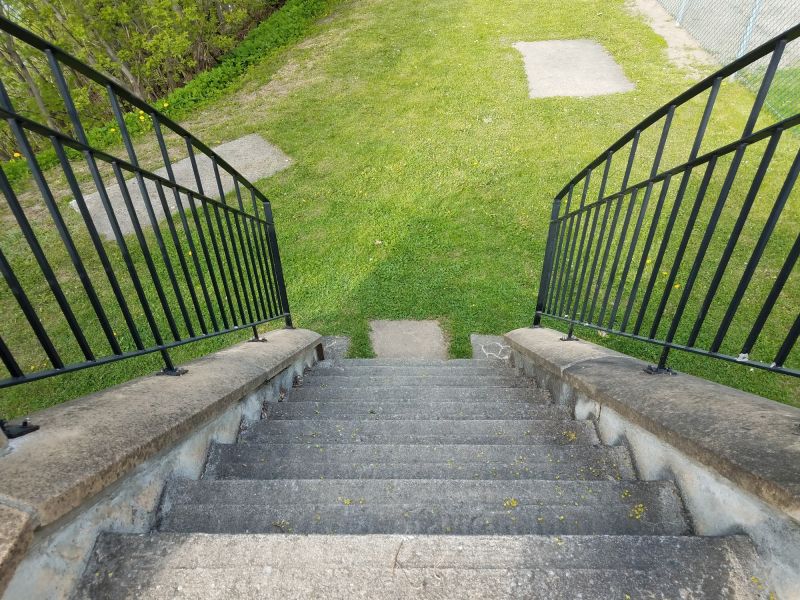
Property owners often seek information about ADA considerations for commercial concrete walks and steps to ensure accessibility and compliance for all visitors. Whether planning a new installation or updating existing walkways, understanding the importance of proper slope, tactile indicators, and smooth surfaces can make a significant difference in creating an inclusive environment. Local contractors experienced in ADA-compliant concrete work can assess site-specific needs, helping property owners meet accessibility standards while enhancing the safety and usability of their outdoor spaces.
Many property owners look for reliable service providers to handle ADA concrete walks and steps installation because it involves more than just pouring concrete. Properly designed and constructed ADA-compliant features require attention to detail, such as appropriate ramp slopes, edge protection, and slip-resistant surfaces. Local service providers can provide the expertise needed to ensure that walkways and steps are safe, accessible, and compliant with current guidelines, making it easier for visitors with mobility challenges to navigate the property comfortably.
What are key ADA considerations for commercial concrete walks and steps? ADA considerations for commercial concrete walks and steps include ensuring proper slope, width, and tactile indicators to promote accessibility for all users.
How do local contractors ensure ADA compliance when installing concrete steps? Local contractors follow ADA guidelines by designing steps with appropriate riser heights, uniform depths, and non-slip surfaces to enhance safety and accessibility.
Are there specific requirements for tactile warning surfaces on concrete walks and steps? Yes, ADA standards recommend tactile warning surfaces at transitions and edges to assist individuals with visual impairments in navigating the environment safely.
What should be considered regarding ADA compliance when planning concrete walkways for commercial properties? Planning should include proper slope, accessible curb ramps, sufficient width, and appropriate handrails to meet ADA accessibility requirements.
Can local concrete installation services help with ADA considerations for commercial walks and steps? Yes, local contractors experienced in ADA considerations can design and install concrete walks and steps that meet accessibility standards and local codes.
Accessible Pathways - Property owners can plan for smooth, level concrete walks that provide easy access for all visitors, with local contractors specializing in ADA-compliant designs.
Proper Step Design - Installing steps with appropriate riser heights and tactile warning surfaces helps ensure safety and compliance for commercial entrances.
Clear Width Requirements - Designing walkways wide enough to accommodate wheelchairs and mobility aids can improve accessibility and meet ADA standards.
Surface Consistency - Choosing durable, slip-resistant finishes for concrete steps and walks helps prevent accidents and supports ADA accessibility.
If you are thinking about ADA considerations for commercial concrete walks and steps for a property, this guide is meant to help you understand this topic, the typical project types, and how different options might fit your plans.
When you are ready, you can use the quote form on this page to share a few details about your project. From there, local pros can review the basics and follow up with options that match what you have in mind.